The two gates
Cost, and where you live
Most ways into tech still cost money up front. A degree, a bootcamp, a laptop that works, and the income you give up while you study. Without savings, credit, or a family that can cover you, that's out of reach, however capable you are.
The in-person training and the first jobs are in big cities. In a small town, getting either one usually means leaving. Nobody makes you. It's just the state of things.
And now remote workers with big-city salaries are moving into those same small towns. Housing goes up. The people who grew up there, working local jobs for local pay, can't buy a home anymore, and they're the least able to afford the training that would let them compete. That growing income disparity doesn't feel fair to me.
I don't want to vilify tech or the people who move. I work remotely from a small town myself. The problem is that the only way for a local to get the same job is to leave first.
Why this is mine to do
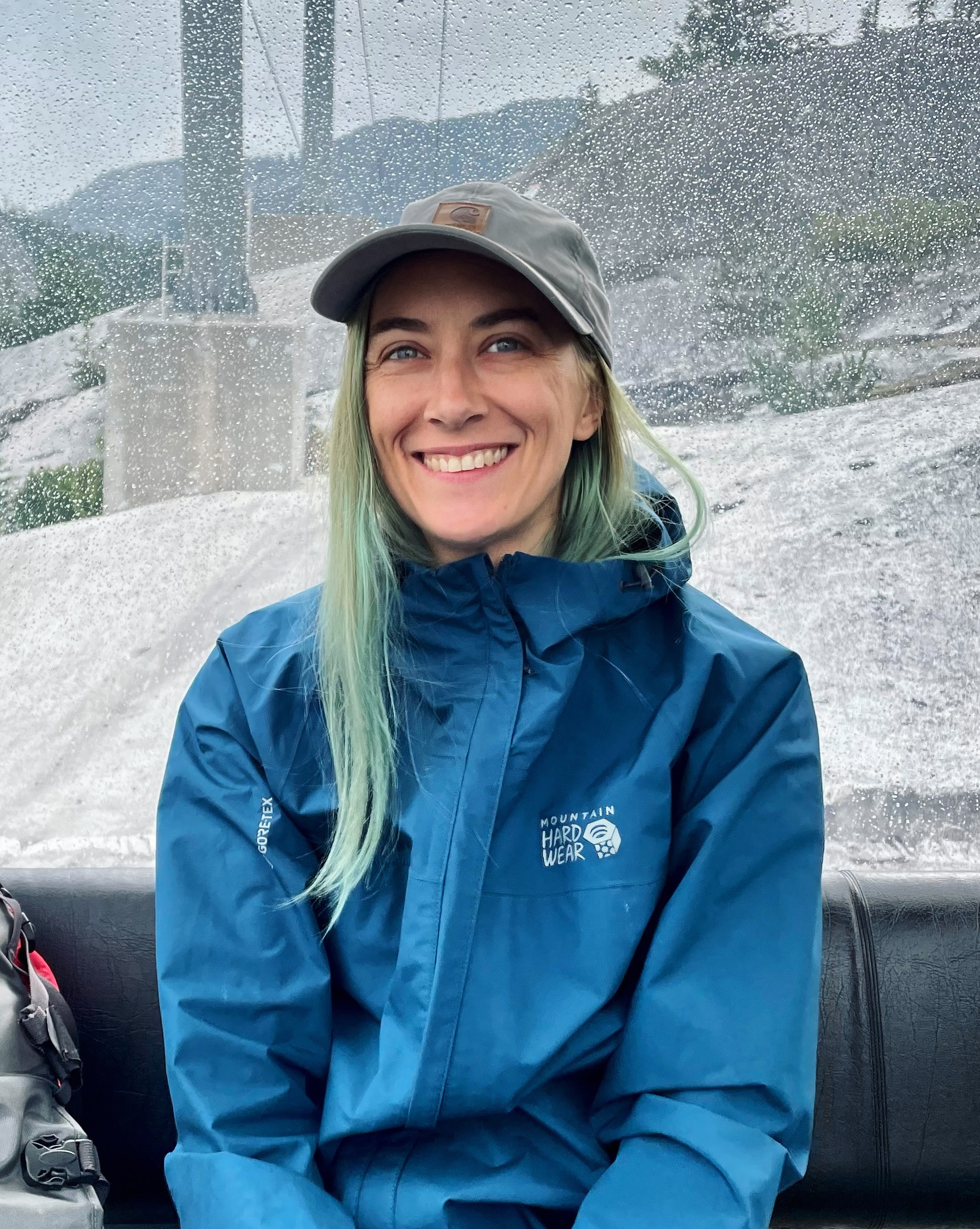
I got into tech with no money and no degree because a bank manager took a chance on me and lent me $5,000 for bootcamp tuition, with no way for me to pay it back. It turned into a Staff Engineer job at Rivian and a Mobile Lead job at Mastercard. For a long time I thought that was unusual good luck. Now I think it's evidence of a structural problem: most people in that position never get offered the chance. I live in the Comox Valley and I grew up in Gibsons.
What the initiative does today
Three things that exist right now
The Passion to Product live cohort
6 weeks, 9 live classes, around 200 people from anywhere in the world, working through the same exercises together in Slack. No tech background needed. It costs nothing, and you pay with your time: attendance is required.
Join the waitlist ↗Cohorts with nonprofits in coastal and mountain towns
The same course, taught in your town, delivered with a local nonprofit, for up to 30 people. The Sunshine Coast, Powell River and qathet, the Comox Valley and north, and the islands in between. If it takes a grant, we go after one together. Students pay nothing.
Bring it to your community ↗Free entry into Up Coast Builders
Everyone who finishes a cohort gets a place in the network, alongside the engineers, founders and companies who came in through the workbook, the recordings or team training. Same Slack, same framework, same monthly Q&As.
About the network ↗Where it's going
From training to work
The goal is that someone in Powell River or Cumberland can learn this, get a first job in it, and keep living where they live.
So the next pieces are about work. Hiring locally when Up Coast can hire, and training the person I hire, even straight out of high school, so they can go after a real product job later. Running the course in my own valley at least once a year. Helping the people who finish it find remote tech roles that pay the way the incoming salaries do.
This part is aspirational. It depends on capacity and on funding.
How it stays free
Large cohorts, and a few people who choose to pay
The free course is designed to run at scale. A cohort of around 200 means a lot of people with different strengths learning together, and students help each other while I guide groups rather than answer every question one at a time.
A small share of students choose to buy the workbook or the recordings, and companies pay for team training and product strategy. That covers the cost of a free cohort without anyone being pressured to spend money on something they don't need.
Nonprofits and community groups
The in-person cohorts run with a local partner. Where a grant is needed to cover one, the application is written together, and the students never pay.
For nonprofits ↗Companies
A cohort can carry a sponsor the way a conference does: 100 to 200 people who are actively building something, working with your tool for six weeks. Sponsorship is how more free cohorts get to run.
Sponsorship →If you're already in tech
Four ways to open a gate
Opening one doesn't mean giving your work away. I charge for mine. It means lowering the cost or the distance for one person who wants in.
Hire from here
Post the junior role as remote-friendly, and interview the person whose résumé has a bootcamp and a small town on it.
Sponsor a cohort
Your tool, in front of 100 to 200 people who are building something with it for six weeks.
Send one person
Someone you know who would be good at this and thinks they can't afford to find out. The cohort is free and the waitlist gets a Slack invite the same day.
Teach one session
Come into a monthly Q&A in the network and answer questions about the job you do. An hour, online, from wherever you are.
For partners and press
Our logo
Four versions, each for a dark or a light background.